How to cook vegetables in steam?

How to cook vegetables in steam?
/
/
Cooking
It takes approx. 2 minutes to read this article

All vegetables are healthy and rich in vitamins and trace elements. Sometimes, however, heat treatment can reduce these nutrients, so it makes sense to choose a cooking method that helps you get the most out of your vegetables. Steam cooking is the perfect way to do this!

Why steam vegetables?

Preparing vegetables the traditional way, boiling them in water, unfortunately loses about 40% of nutrients they contain. This way most of the vitamins C, A and E as well as B group vitamins are cooked out. Preparing vegetables in steam helps to preserve most of the vitamins and micronutrients, and also brings out a much better taste of the food and makes it digest better.

What vegetables are suitable for steaming?

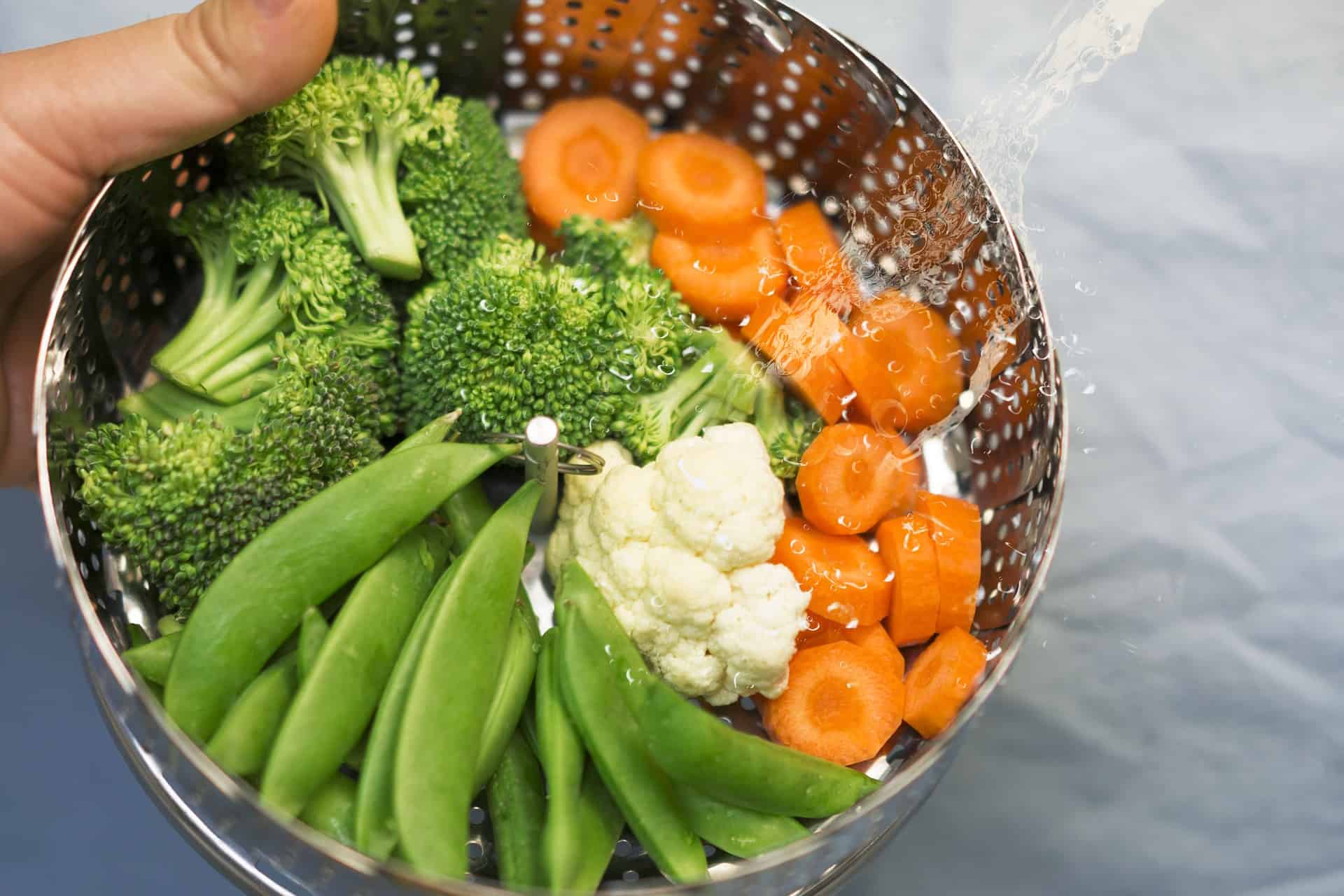
The following vegetables are perfect for this type of processing

  • cauliflower,
  • peppers,
  • broccoli,
  • peas,
  • zucchini,
  • green beans,
  • potatoes,
  • brussels sprouts,
  • peppers,
  • carrots (although this one usually needs more time).

How to steam vegetables?

To do this, you can use a regular cooking pot with a suitable grid, a regular cloth or a tetra diaper. You can also use a steamer, which is a special electric device for steaming, usually consisting of several tiers on which you can place meat and vegetables. You can also steam vegetables in a pressure cooker.


Add comment

Your email address will not be published. Required fields are marked *

*

2 × one =

Latest articles
Recommended articles
Cleaning granite surfaces
/
Cleaning granite surfaces
Granite is a popular stone used for flooring and countertops because of its durability and beautiful colors.
Mold in the apartment – causes and ways to remove
/
Mold in the apartment – causes and ways to remove
Not coping with mold or mildew? Check out our ways.
How Can Residential Containers Transform Modern Living Spaces?
/
How Can Residential Containers Transform Modern Living Spaces?
Discover innovative ways residential containers can enhance home functionality, aesthetic appeal, and sustainability, offering creative solutions for modern living challenges.