How to store fruits and vegetables?

How to store fruits and vegetables?
/
/
Organization
It takes approx. 3 minutes to read this article

Vegetables and fruits should be the basis of everyone’s diet. Seasonal fruits and vegetables are the best. How should they be stored to preserve their freshness and nutritional properties?

Fresh fruit and vegetables as the basis of a diet

Vegetables and fruit should be the basis of a daily diet. They provide the body with essential vitamins and microelements, such as

  • vit. C, A, E,
  • b group vitamins,
  • selenium.

Vegetables and fruits are also a great source of dietary fiber, which is essential for proper digestion. Regularly eating fruits and vegetables helps maintain acid-base balance.

Rules for buying fruit and vegetables

When buying fruit and vegetables, it is worth paying attention to:

  • freshness – the fresher, the better,
  • do not buy damaged vegetables,
  • it is not advisable to buy perfect specimens, as vegetables that contain sand or soil residues can be stored longer,
  • vegetables should be stored without stems

How to prepare vegetables and fruits for proper storage?

  1. Vegetables and fruits should be unpacked and sorted. Do not store vegetables in plastic bags as they spoil quickly.
  2. Wash them thoroughly with cold water and dry them thoroughly with a paper towel. Do not wash vegetables:
    • brassicas,
    • root crops,
    • small fruits.
  3. Store freshly washed vegetables and fruits in a place with limited air, light and heat
  4. Do not store vegetables in one container.

Frozen fruits and vegetables

Frozen fruits and vegetables do not lose any nutritional value. Most vegetables should be blanched before freezing. It is advisable to use special plastic bags or silicone boxes for freezing.

What vegetables and fruits should be kept in the refrigerator?

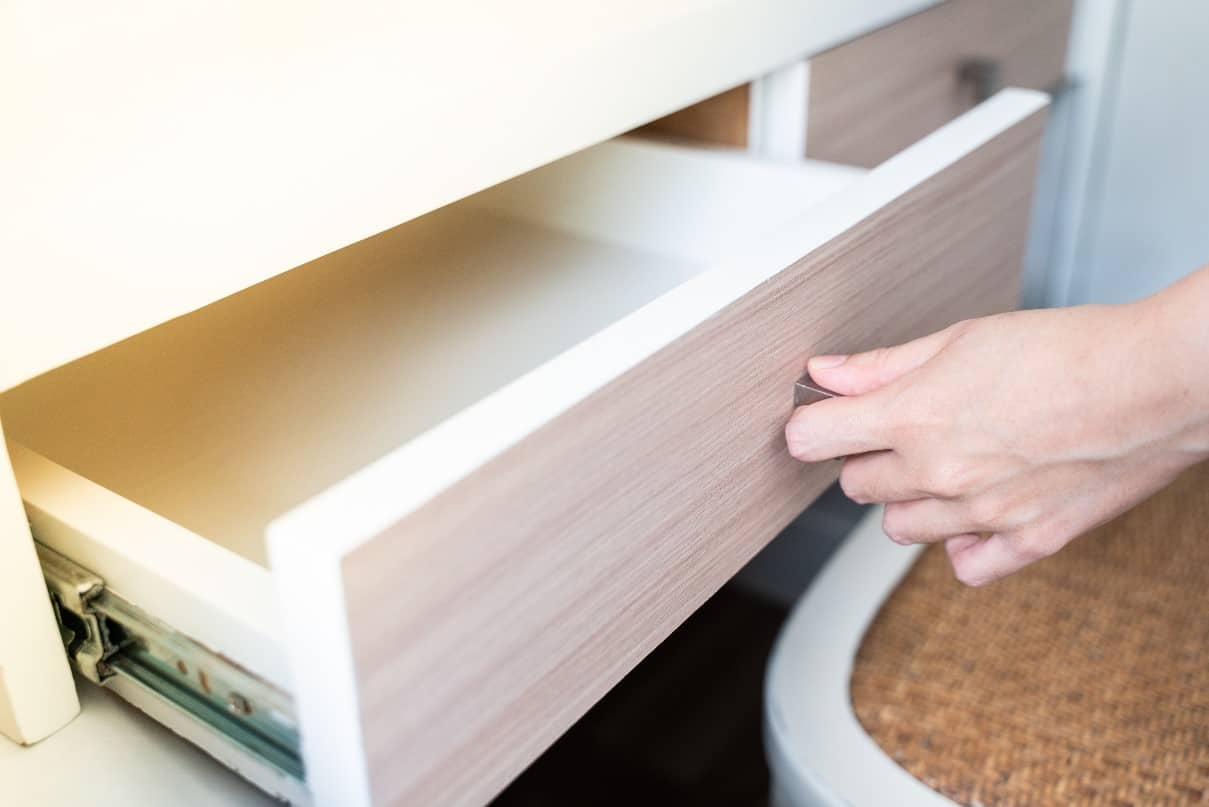
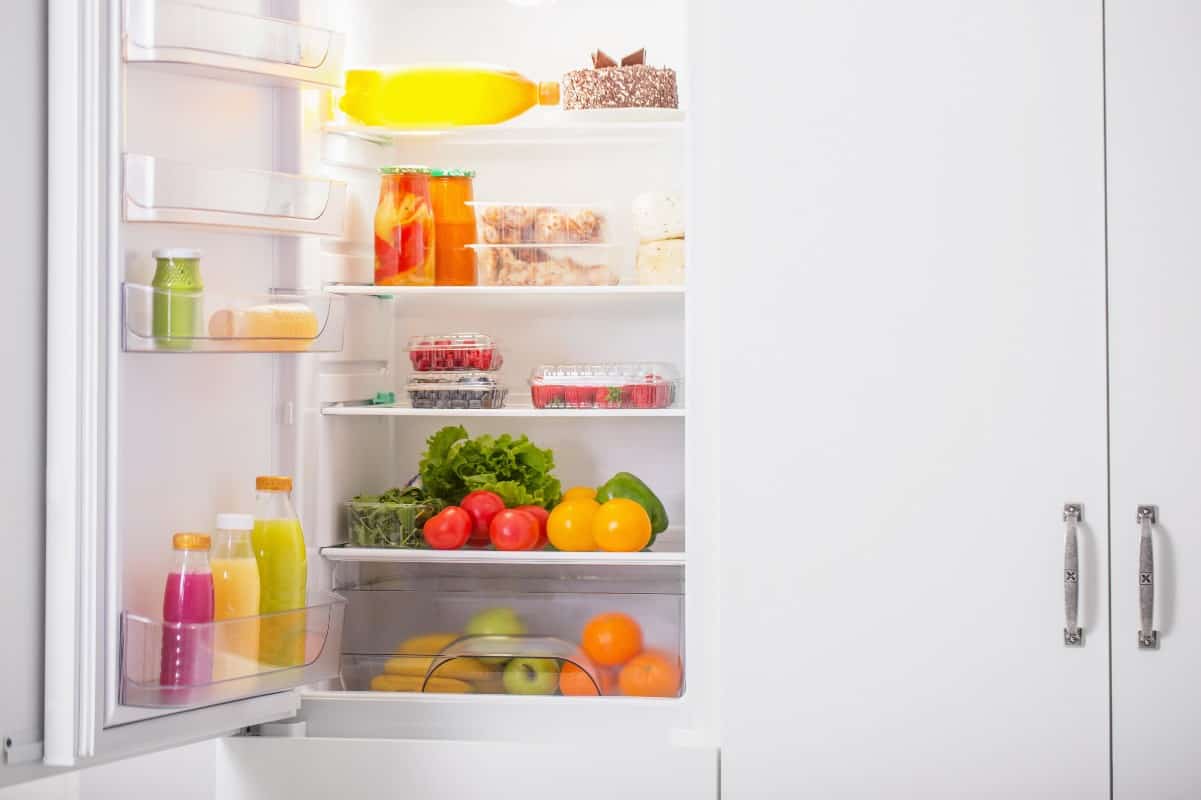
Some vegetables and fruits must be stored in the refrigerator. They should be stored there in a special drawer, in separate containers. Vegetables and fruits such as:

  • broccoli, cauliflower, Brussels sprouts
  • cabbage,
  • carrots,
  • radishes.
  • leek,
  • dill and parsley,
  • berries,
  • grapes,
  • peaches,
  • pears,
  • oranges and grapefruits.

What fruits and vegetables should be stored outside the refrigerator?

Vegetables and fruits that don’t like to be stored in the refrigerator should be purchased in small quantities and stored in baskets, platters or racks. Such vegetables and fruits include:

  • tomatoes,
  • cucumbers,
  • exotic fruits,
  • onions,
  • garlic,
  • apples,
  • pears,
  • plums,
  • peppers.

Root vegetables such as potatoes, carrots, beets, celery and squash should be stored in a cool, shady and well-ventilated place. A wooden box lined with breakfast paper works great for this. It is good to cover vegetables with a jute bag.

Onions and garlic should be stored in containers with holes (they need constant access of air).

Helpful accessories for storing fruit and vegetables

  • plastic containers to help segregate vegetables in the refrigerator,
  • containers with air vents,
  • herb storage containers for keeping herbs in the fridge,
  • antibacterial pads for the refrigerator drawer,
  • wicker baskets.
Add comment

Your email address will not be published. Required fields are marked *

*

Latest articles
Recommended articles
Home-made broth – step by step preparation
/
Home-made broth – step by step preparation
Want to prepare a delicious traditional Polish broth? Be sure to check out this recipe!
How to store jewelry? 7 proven ways
/
How to store jewelry? 7 proven ways
Do you care about keeping your jewelry organized? Find out the best ways to store it!
Understanding the process and benefits of siding replacement for your home
/
Understanding the process and benefits of siding replacement for your home
Dive into the world of home improvements and explore the compelling reasons for siding replacement—understand the steps involved and the incredible benefits it brings to your household.